
What to Do After Finding Ticks in Your Yard (PA, NJ & DE Homeowner Guide)
Finding ticks in your yard can feel alarming, especially when you have kids or pets spending time outside. The good news is that with the right steps, you can quickly reduce your risk and take back control of your outdoor space.
Quick Answer: If you find ticks in your yard, immediately check people and pets for bites, reduce tick-friendly areas like tall grass and leaf litter, and consider professional treatment to stop the problem at its source.

Ticks are highly active across Pennsylvania, New Jersey, and Delaware from March through November, making fast action essential.
Step 1: Check for Ticks on People and Pets Immediately
This is the most important first step.
Ticks don’t need to be attached long to pose a risk, so early detection matters.
Check these areas carefully:
- Behind ears
- Along the hairline and scalp
- Under arms
- Around the waist
- Behind knees
- Between toes
For pets:
- Around ears and collar area
- Under legs and belly
- Between toes
If you find an attached tick:
- Use fine-tipped tweezers
- Pull straight out slowly
- Clean the area with alcohol or soap and water
Key insight:
Ticks typically need 24–36 hours of attachment to transmit Lyme disease, so quick removal significantly reduces risk.
Step 2: Identify the Level of Risk in Your Yard
Seeing one tick doesn’t always mean a major issue—but multiple sightings usually do.
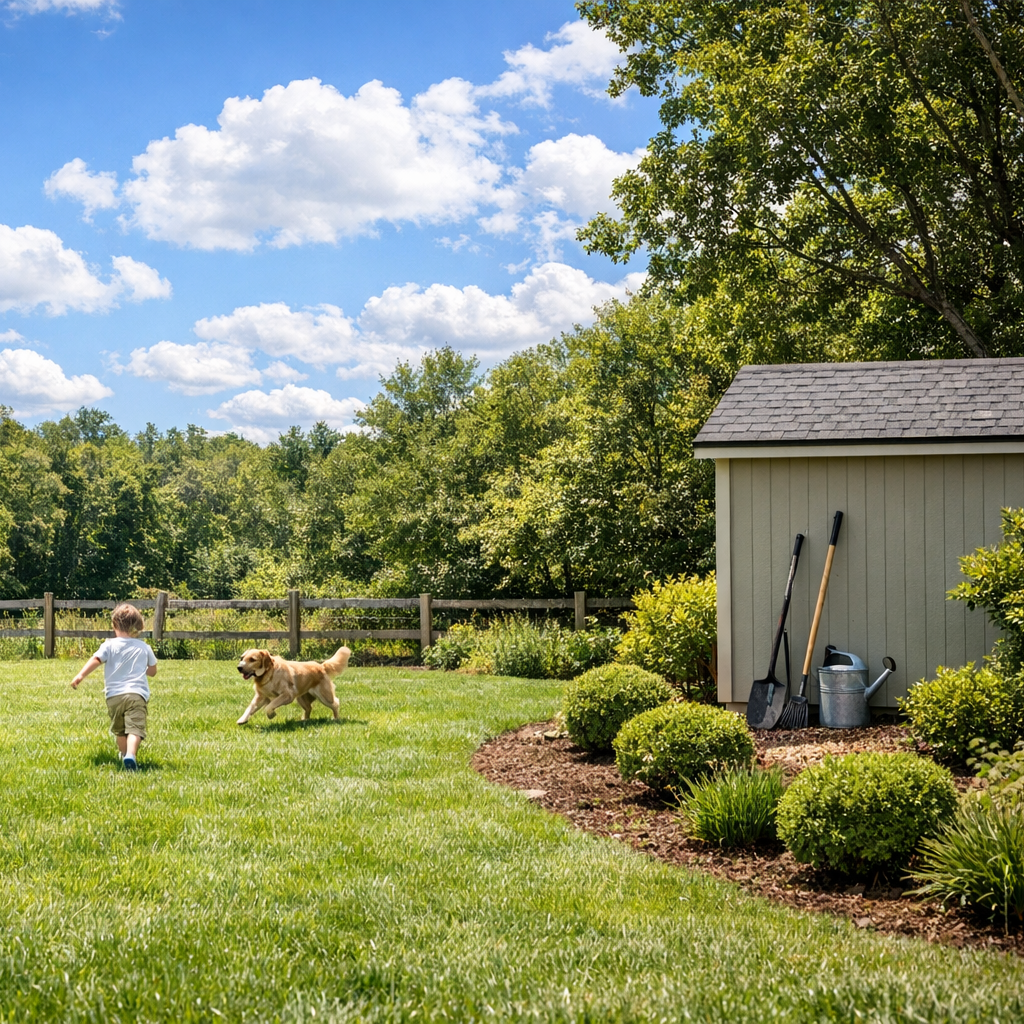
In PA, NJ, and DE, the most common ticks include:
- Black-legged (deer tick) – primary Lyme disease carrier
- American dog tick
Ticks thrive in:
- Tall grass
- Leaf litter
- Shaded areas
- Wood lines and property edges
Suburban yards—especially those backing up to woods—are prime environments.
Step 3: Understand Why Ticks Are in Your Yard
Ticks don’t appear randomly. They’re brought in and supported by your environment.
Common causes:
- Deer and wildlife passing through
- Mice and small animals carrying ticks
- Damp, shaded conditions
- Overgrown landscaping
Why it feels worse some years:
Weather patterns and mild winters can lead to higher tick populations across the Northeast.
Step 4: Reduce Tick Habitat Immediately
You can start lowering tick activity right away with a few simple changes.
Do this immediately:
- Mow your lawn regularly (keep it short)
- Remove leaf litter and yard debris
- Trim shrubs and overgrown areas
- Create a mulch or gravel barrier between your lawn and wooded areas
- Keep play areas in sunny, dry locations
Fast takeaway:
Ticks need moisture and shade—remove those, and you reduce their ability to survive.
Step 5: Protect Your Family and Pets
Reducing yard ticks is only part of the solution—daily habits matter too.
Best practices:
- Do tick checks after outdoor time
- Shower after spending time in the yard
- Wear light-colored clothing to spot ticks easier
- Use veterinarian-recommended tick prevention for pets
For additional health guidance, the CDC provides detailed recommendations on tick bite prevention: Preventing Tick Bites
Step 6: When to Consider Professional Tick Control (PA, NJ & DE)
DIY steps help—but they often don’t fully solve the problem.
You should strongly consider treatment if:
- You’ve found multiple ticks
- Ticks have been found on children or pets
- Your yard borders woods or open land
- The problem keeps coming back
Why DIY falls short:
- Doesn’t target all life stages (especially nymphs)
- Misses hidden tick habitats
- Doesn’t create a protective barrier
Professional treatments are designed to break the tick lifecycle and reduce populations quickly.
Video: Tick Season & How to Protect Your Yard
Tick season is at its peak across Pennsylvania, New Jersey, and Delaware. Understanding how ticks behave—and how to stop them—is key to protecting your family.
In this video, you’ll learn:
- Tick activity peaks from March through November in the Northeast
- Nymph ticks (the size of a poppy seed) are the most dangerous and hardest to detect
- Early detection and removal significantly reduce Lyme disease risk
- How targeted treatments create a protective barrier around your yard
Step 7: Long-Term Tick Prevention Strategy
Tick control isn’t a one-time fix—it’s a seasonal strategy.
For best results:
- Start treatments in early spring
- Maintain protection through summer
- Continue into fall as tick activity remains high
Consistent control helps prevent reinfestation and keeps populations low all season.
How Our Yard Guard Pro Service Protects Homes in PA, NJ & DE
Our Yard Guard Pro program is designed specifically for tick-prone properties in the Northeast.
How it works:
- Targets tick hotspots like shaded edges and perimeter zones
- Creates a protective barrier around your yard
- Reduces ticks at every stage of their lifecycle
Benefits:
- Fewer ticks in your yard
- Lower risk of Lyme disease exposure
- Safer outdoor space for kids and pets
Learn more about how our treatment works here:
👉 Tick Control Program
Or explore our full lawn care services for complete yard protection:
👉 Service We Provide
FAQ: Ticks in Your Yard (PA, NJ & DE)
What kills ticks in your yard fast?
Professional-grade treatments combined with habitat reduction are the fastest and most effective solution.
Do ticks live in grass or woods?
Both—but they’re most common in shaded, moist areas like wood lines and overgrown edges.
Are ticks worse this year in Pennsylvania?
Tick populations can vary yearly, but the Northeast consistently sees high activity from spring through fall.
How often should a yard be treated for ticks?
Typically every 3–5 weeks during peak season for best results.
Can you completely eliminate ticks from a yard?
Complete elimination is unlikely, but you can reduce populations to very low, manageable levels.
Take Back Control of Your Yard
Ticks are a common problem across PA, NJ, and DE—but they don’t have to take over your outdoor space.
By acting quickly, improving your yard conditions, and using the right treatment approach, you can significantly reduce your risk and enjoy your lawn again.
If you’re seeing ticks now, it’s the right time to act—before populations grow further.